
The word ‘meadow’ can inspire memories of peaceful summer days in the countryside, full of grasshoppers humming, skylarks chirping high above hidden grassland nests, butterflies flitting drowsily in the heat from flower to flower. Long sunny days stretched out over grasslands alive with wildlife.
But did you know that these grasslands, once abundant and characteristic of the British countryside, are gradually being chipped away? Across Warwickshire, there is now more amenity grassland (short-cut grassland used for recreational purposes) than there is wildlife-rich grassland. Many wildlife-rich grasslands have been shaped through their traditional management as hay meadows for supporting livestock.
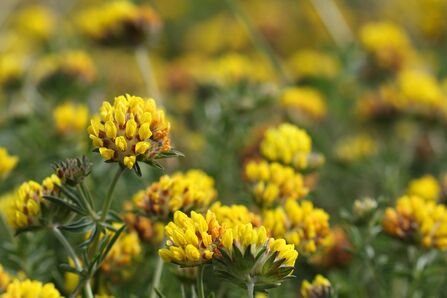
The recent State of Habitats report shows us that only 3% Warwickshire is covered in wildlife-rich grassland with distinct wildflower and wildlife communities. These distinct communities are shaped by the soil type on which they live. Species like Foxglove and Wood Sage for example, thrive on acid soil. Calcareous grasslands sit on alkaline soils that contain limestone, supporting plants that like those conditions, like Kidney Vetch. A diversity of plants across different grassland types in turn supports many invertebrates, some of which will only feed off a single plant species. The Small Blue Butterfly is one example – it’s larvae only eat Kidney Vetch.