Our wonderful world of wetlands and how you can help

Our wonderful world of wetlands and how you can help

Joshua Copping

Water is vital for wildlife. When cared for, wetlands can host some of the most spectacular wildlife displays.

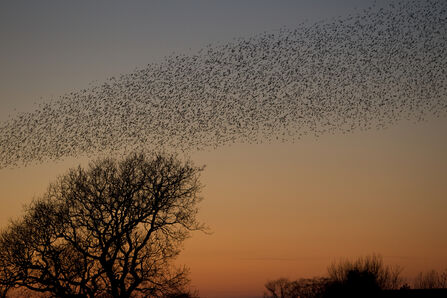
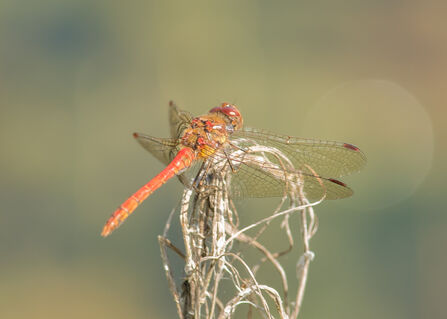
Starling murmurations grace the skies above wetland habitat in winter, otters navigate elegantly through reedbeds, dragonflies add a splash of colour on warm summer days. 

Despite this, wetland habitats are some of the rarest across Warwickshire, covering less than 1% of the region

Warwickshire’s recent State of Habitats report shows us that the area covered by sports pitches and other amenity / recreational turf is 43x larger than the area of wetland habitat. 

It’s therefore essential to protect all remaining swathes of wetland. Sadly, they are still threatened, from pollution for example, new development and invasive species. Invasive New Zealand pygmyweed grows extensively, blocking out other plants and absorbing oxygen from waterbodies which can have devastating effects for fish, frogs and invertebrates1. Warwickshire Wildlife Trust’s Wild for Water Campaign raises awareness and suggests actions that you can take for waterbodies and wetlands. 
When creating ponds to provide water for wildlife, remember to choose non-invasive plants. This ‘Be Plant Wise’ guide2 has some great suggestions for non-invasive plants to grow. When visiting wetlands, always clean shoes (e.g. rinse with water / scrub any mud off with a brush) before leaving the site. This helps prevent the spread of any invasive plants. 

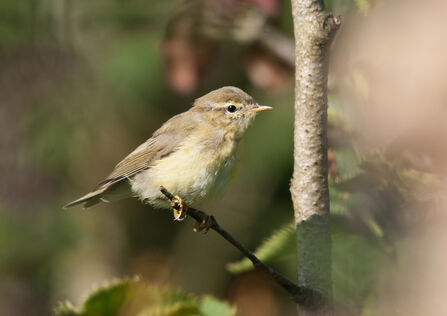
Many wetlands are also Local Wildlife Sites (LWS), like Kingsbury Waterpark LWS with its birdlife and mosaic of reedbeds, woodlands, meadows and lakes3. Previously a gravel extraction pit, Kingsbury Water Park now supports species like skylarks, willow warblers and kingfishers3. It’s a fantastic example of a site restored for nature!

The aim of the LWS system is to provide a comprehensive set of the most valuable sites locally for nature4. The more than 667 Local Wildlife Sites across the region are given some protection from development, as written into local authority local development plans. LWS and potential LWS can all be seen on this interactive map. The ‘potential LWS’ are likely to have the same value as LWS but haven’t yet undergone a full survey. 

If you know of any LWS under threat near you, including those with wetland habitat, why not write to your MP or, respond to planning applications following the guidance here. Alternatively, you might simply want to let your MP know how much you value these special habitats and their vibrant wildlife. 

Read the full State of Habitats report here.

Read the State of Habitats Report

References

  1. GB non-native species secretariat. New Zealand Pigmyweed: Crassula helmsii. 2019. URL: https://www.nonnativespecies.org/non-native-species/information-portal/view/1017
  2. Be Plant Wise. Keeping a pond  or aquarium  without harmful  invasive plants. 2025. URL:   https://www.nonnativespecies.org/assets/Keeping-a-pond-or-aquarium-without-harmful-invasive-plants-FINAL-v3.pdf
  3. Talbot. C. (2024). Local Wildlife Sites Evaluation Form: Kingsbury Water Park SP29B7. Natural Capital Assessment Partnership (formerly the Habitat Biodiversity Audit).
  4. Defra. Local Sites: Guidance on their Identification, Selection and Management. London: Department for Environment, Food and Rural Affairs, 2006.