
More meadows needed to bring wildlife back

More meadows needed to bring wildlife back

 Emma Bradshaw

The recent State of Habitats report shows us that only 3% Warwickshire is covered in wildlife-rich grassland with distinct wildflower and wildlife communities. Find out how you can help bring them back.

The word ‘meadow’ can inspire memories of peaceful summer days in the countryside, full of grasshoppers humming, skylarks chirping high above hidden grassland nests, butterflies flitting drowsily in the heat from flower to flower. Long sunny days stretched out over grasslands alive with wildlife. 

But did you know that these grasslands, once abundant and characteristic of the British countryside, are gradually being chipped away?  Across Warwickshire, there is now more amenity grassland (short-cut grassland used for recreational purposes) than there is wildlife-rich grassland. Many wildlife-rich grasslands have been shaped through their traditional management as hay meadows for supporting livestock. 

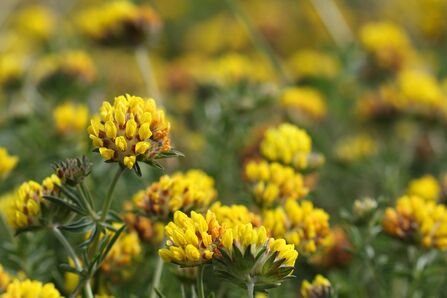
The recent State of Habitats report shows us that only 3% Warwickshire is covered in wildlife-rich grassland with distinct wildflower and wildlife communities. These distinct communities are shaped by the soil type on which they live. Species like Foxglove and Wood Sage for example, thrive on acid soil. Calcareous grasslands sit on alkaline soils that contain limestone, supporting plants that like those conditions, like Kidney Vetch. A diversity of plants across different grassland types in turn supports many invertebrates, some of which will only feed off a single plant species. The Small Blue Butterfly is one example – it’s larvae only eat Kidney Vetch. 
At the other end of the spectrum, 26% of Warwickshire, Coventry and Solihull is made up of ‘agriculturally improved’ grasslands. These have lost most of their value to wildlife as they have been managed to increase farming productivity, for example through applying fertilisers or re-seeding with a fast-growing, high-yielding grass seed mix. 

Sadly, wildlife-rich grasslands are still under threat, for example from development, poor management, or even from tree planting schemes… While tree planting is also fantastic for wildlife, it must not be at the expense of wildlife-rich, valuable grassland habitats. Habitat creation should aim for the right habitat in the right place

Action can be taken to protect valuable grasslands, whether that’s responding to development proposals on valuable grasslands, or sensitive grassland management if you’re lucky enough to own your own patch. The Meadows Hub is a great way to find out about management resources and meet like-minded individuals. Mini meadows can even be created in your own garden! Take care to choose seed and plug plants that have been sourced locally and that are suitable for the soil type. Let’s all take action now, before these meadows are lost to all but our memories.