How to turn a concrete jungle to a wildlife haven

How to turn a concrete jungle to a wildlife haven

Images taken for the Wild About Gardens launch 12th March 2019

A large portion of the landscape in Warwickshire, Coventry and Solihull is built over with manmade structures, but we can still create havens for wildlife and wild pathways around our homes.

As noted in the recent State of Habitats 2025 report, about a tenth of Warwickshire, Coventry and Solihull is covered in manmade features likes buildings and roads – the region is very urbanised. But towns and cities don’t have to be concrete jungles with no wildlife. If you’re fortunate enough to have an outdoor space to manage, whether an allotment, garden, balcony or joint community space, there’s so much you can do to create a wildlife haven. 

Aim to create a mosaic of different habitats - log piles for deadwood-dependent invertebrates, sandy soil banks in full sun for ground-nesting bees, mini wildlife ponds, piles of twigs and leaves for hedgehogs. Even compost heaps are great for reptiles! 

A toad sitting on a log

Toad by Jon Hawkins Surrey Hills Photography

When choosing garden plants, always choose species that have been grown peat-free and aim to plant a variety of native species that provide lots of nectar, pollen, berries and other resources for wildlife throughout the year. Species like Wayfaring Tree, Guelder-rose, Crab Apple, Hazel and Ivy are great for gardens. 

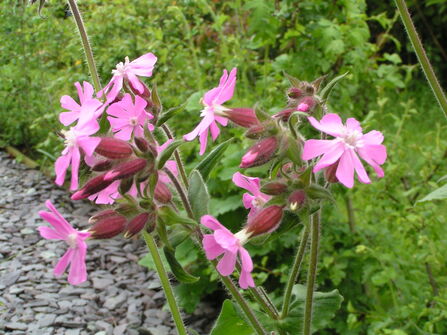
A mini wildflower meadow can also be created using plug plants or locally sourced seed. Make sure to include perennial species (which will come back year on year) like Red Campion, Bladder Campion and Bird’s-foot Trefoil, and avoid commercial seed companies where the source of the wildflower seed is unknown. Choose seed or plug plants from local companies that source their seed locally, so it’s better adapted to local conditions. 

When choosing garden plants, make sure to avoid invasive species like rhododendron at all costs. If these species escape from gardens they can cause havoc. Rhododendron can grow rapidly, blocking light from other woodland plants and preventing them from growing. There are lots of resources online to help choose non-invasive plant species that are suitable for gardens like this ‘Be Plant Wise’ leaflet

Some species can thrive in urban habitats and on manmade features in the right conditions. The attractive Rusty-back Fern was traditionally found on bridges and walls with limestone mortar across the region. Sadly, it is now only found in a few locations across Warwickshire*1. It has suffered substantial declines as a result of cleaning or renovating walls. Avoid cleaning dry stones walls and instead allow mosses and ferns to establish. You can even have a go at building your own mini dry wall habitat

A green leafy plant know as wall-rue growing in between the stones of a wall

Wall-rue by Vaughn Matthews